I Thought My Husband's Lack Of Energy Was Just Age… Until I Learned More
Updated July 2026 · 4 min read · By Sarah Mitchell
This article contains affiliate links. If you make a purchase, we may earn a commission at no extra cost to you. See our Affiliate Disclosure.
You'll be taken to a short presentation explaining the science.
For a long time, my husband believed that a lack of energy was just part of getting older. But after learning something that isn't often talked about, I began to notice changes I hadn't expected.
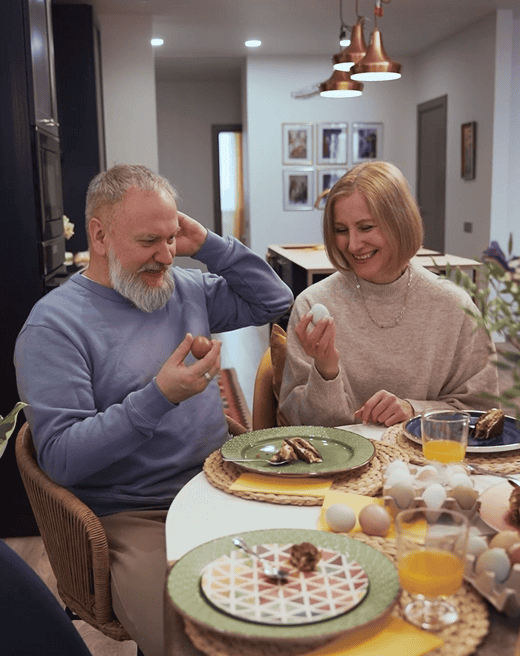
July 7, 2026
When my husband first told me about this discovery, I honestly didn't pay much attention.
After all, how many times have we heard about solutions that promise incredible results?
I nodded, said "that's nice, honey," and went back to my book.
But as the weeks went by, I began to notice small changes.
He was up before me on Saturday mornings — something that hadn't happened in years.
He stopped taking his usual afternoon "rest" on the couch.
And one evening, I found him in the garage, reorganizing shelves he'd been putting off for months.
That constant tiredness that had quietly become part of his routine seemed to be fading.
That's when I decided to understand what was actually going on.
You'll be taken to a short presentation explaining the science.
If you're a man over 40 — or you love one — this might sound familiar.
The energy isn't what it used to be.
Even small tasks seem to require more effort than they should.
Climbing stairs. Carrying groceries. Keeping up with the grandkids.
Many people quietly accept this as "just the way it is now."
But what I learned surprised me — because it turns out there may be a specific, well-studied reason behind it.

Here's what my husband had stumbled upon.
As we age, our bodies gradually become less efficient at absorbing and using protein — the raw material for muscle, strength, and steady energy.
Researchers who study healthy aging have a name for this: some call it "anabolic resistance."
In simple terms, it means this: two people can eat exactly the same meal — but the older body may extract and use far less of what it needs from it.
So even people who eat reasonably well may not be giving their bodies what they actually require to maintain muscle and vitality.
Experts note that this gradual change can affect:
- How energized you feel when you wake up
- Your strength for everyday tasks
- How quickly your body recovers after activity
- The maintenance of lean muscle over time
And because it happens slowly, over years, most people never connect the dots.
They just assume it's age.
That's precisely why this approach has begun to spark so much interest.
It focuses on giving the body what it can actually absorb and use — without drastic changes to daily routine.
Many people exploring it describe noticing differences in their day-to-day lives.
Some mention waking up with more disposition.
Others talk about having more energy left at the end of the day for the things they enjoy — family dinners, hobbies, time with grandchildren.
And contrary to what many assume, it doesn't involve spending hours at the gym or following extremely restrictive diets.
The approach is simple and practical.
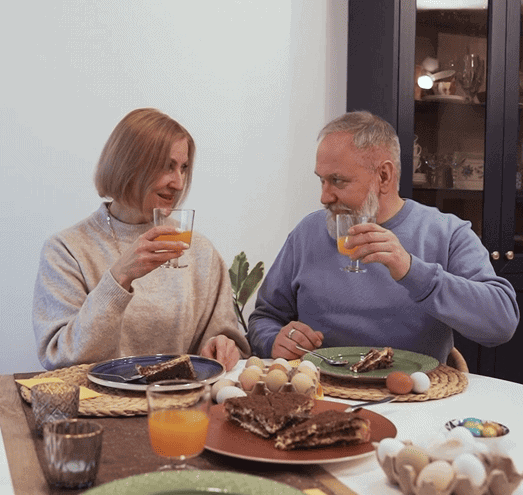
My husband is not a health fanatic. He's a practical man who just wanted to feel like himself again.
Watching the change in him over these past months is what convinced me to write this.
If any of this sounds familiar — the fading energy, the tasks that got heavier, the feeling that your body isn't keeping up with your plans — it may be worth taking a few minutes to understand the science behind this discovery.
The full presentation explains exactly how it works, in plain language.
The sooner you understand it, the sooner you can decide if it makes sense for you.
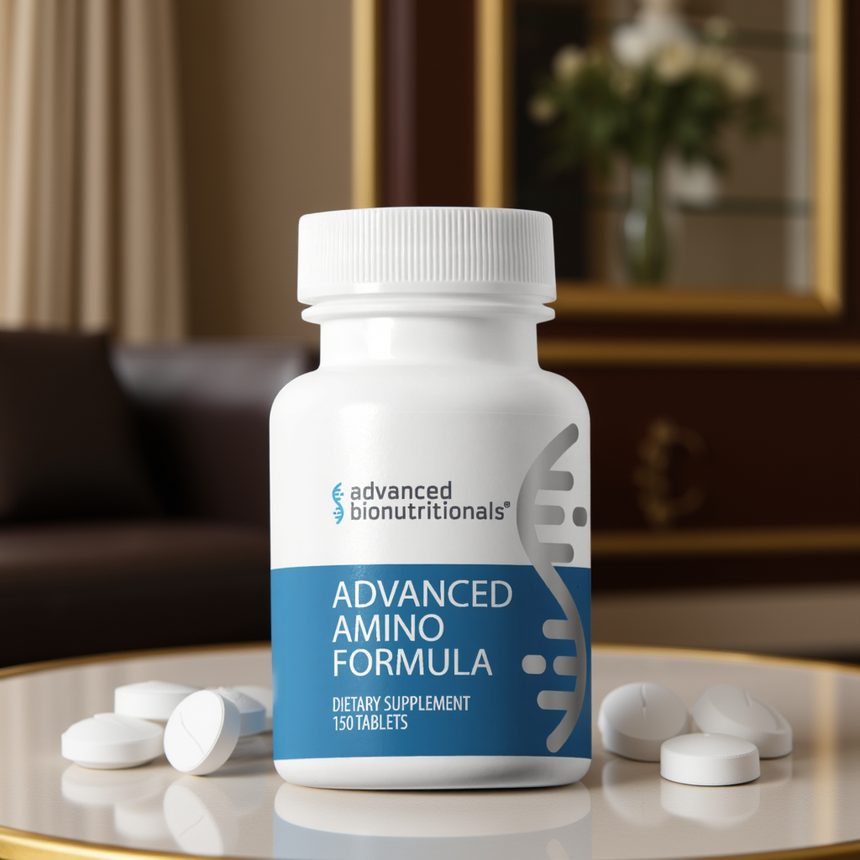
Advanced Amino Formula — the supplement discussed in the full presentation.
You'll be taken to a short presentation explaining the science.